Food Brand Marketing Las Vegas
Shelf sales you can read
Food brand marketing Las Vegas work for owners who sell through distributors and direct. I track store velocity, distribution cost and reorders, and I check every claim against the label.
★★★★★ 5-star rated on Google · 14 years · 300+ Las Vegas businesses

Trusted By















How a Food Brand Makes Money
Margin after the distributor takes its share
A food brand sells a case to a distributor, the distributor sells it to a store or a restaurant, and the store sells it to a shopper. Each step takes a margin, so the brand's own revenue is the smaller number on the invoice, and the brand carries the cost of getting the product into a cooler or onto a shelf.
The economics depend on turnover. A product that sells steadily in each store earns its place on the shelf and the distributor keeps it stocked. A product that sits moves the distributor to cut it, and the brand pays for promotions to win the space back. Velocity, the units sold per store each week, is the number that decides whether the brand keeps its shelf.

Retail Distribution Costs
What a shelf costs before the first sale
Getting onto a shelf costs money before it earns any. Slotting fees, trade promotions, free-fill allowances, demos and the cost of returns are real line items, and they are often paid before a single unit has sold through.
Marketing that ignores those costs overstates what it earns. A campaign that drives shoppers to a store where the product sells two units a week is not a win if the promotion cost more than the margin on those units. The readout has to show the distribution cost next to the sales it bought.
Retail Velocity and Shelf Reads
Sales that the brand can actually see
Most food brands see their retail sales through the distributor's report, which arrives late, aggregated and without the store detail. A brand cannot tell from that report which store a promotion helped, which shelf the product sits on or which chain is slowing down.
Store-level data, where the brand can get it, shows the velocity by store and by week. I set the readout to use the store data the brand is entitled to, and I label any figure that comes from the distributor report so the owner knows its age and source.
The readout names the source of every sales figure, so an owner can tell a store count from a distributor estimate at a glance.

Direct-to-Consumer Orders
The orders a brand controls
A direct-to-consumer site or a subscription is the channel a food brand controls. The margin is higher and the customer is known, but shipping, packaging and the cost of acquiring each order are the brand's own expenses, and they can erase the margin on a small order.
The marketing for this channel is measured on repeat orders and on the cost of the first order, not on total sales. A reorder that comes in a second month is a real customer, and the readout shows it apart from one-time purchases. Shipping thresholds and bundles are tested one at a time, and the readout reports the order size where each change happened.
Label and Claim Rules
Claims a food brand has to document
Food labeling and product claims are set by federal and state rules, and words such as natural, organic, gluten free, low sugar or made in Nevada each carry a standard that the brand must meet. Whether a claim is allowed is a question for the brand's regulatory advisor and counsel, not for the marketer.
I keep the claims in the marketing to the ones the brand can document on the label and in its records. A claim without a record is moved out of the draft and flagged, and no health benefit is written for a food product unless the brand's counsel has approved the wording.
A claim the brand has documented is listed once in a claims sheet, with the document it relies on, and that sheet is the only source for marketing copy.

The Food Brand Buyer Path
Who decides before a shopper does
The distributor buyer
A buyer weighs velocity, margin and the promotion budget, and decides whether the product is worth a slot this quarter.
The store manager
A manager checks the shelf, the price and the sales in their store, and reorders what sells in that neighborhood.
The shopper
A shopper reads the label, compares the price per unit and picks the product they know or the one a sample made them try.
The reorder
A repeat shopper buys the same item again, and that reorder is the number the brand should protect most.
The restaurant or hotel buyer
A food-service buyer chooses a product for a menu or a pantry, and the decision runs through a separate distributor and a separate contract.
The Distributor Reporting Gap
Sales reported by someone else
The usual gap is between what marketing does and what the distributor reports. The brand runs a campaign, the distributor reports a sales total a month later, and nobody can say which action moved the number, because the report never names the campaign.
The fix is to tie each action to a store, a week and a source. A demo in a named store is logged with its date, and the store's sales in the weeks after are read against the same store in the weeks before. The readout then shows the action and the result in one line, even when the distributor's report arrives late.
A promotion without a date and a store is not counted, which keeps the readout from crediting a campaign for a sale it did not cause.
Local Sampling and Demos
Tasting in the stores the brand can reach
Sampling is the oldest way to move a food product, and it still works when it is tracked. A demo in a Las Vegas grocery store, at a farmers market or at a local event gives a shopper a taste, and the store's sales in the following weeks show whether the taste turned into a purchase.
I plan the demos around the stores that carry the product and the weeks the brand can staff. Each demo is logged with its store, date and sample count, so the readout can compare demo weeks with normal weeks in the same store. After each demo week, the store's shelf is checked for the product's facing and price, so a sale that did not happen is explained rather than guessed.
Hotel and Restaurant Accounts
Food-service accounts that repeat
The Las Vegas hotel, restaurant and catering market buys food in volume, through food-service distributors and contract buyers. A product that earns a menu or a pantry spot can sell steadily for a year, and the account is worth more than a single grocery promotion.
Those accounts are won through samples, spec sheets and a clear case pack, not through consumer advertising. The marketing for them is a short sheet that the buyer can forward, with the product's ingredients, the case size and the shelf life written plainly.
Seasonality and Visitor Demand
When the calendar moves the shelf
Las Vegas has a visitor economy, so some food sales follow the convention calendar, the holidays and the peak tourist months, while others follow the residents who shop the same stores every week. A brand that sells to both needs a plan for each.
The plan sets visitor-driven promotions against the calendar and keeps resident promotions steady across the year. The readout sets each month against the same month last year, so a seasonal lift is not mistaken for a successful campaign.
Holiday shelves are planned in the summer, so a promotion for the holidays has its distribution set before the season begins.
Direct Orders Versus Shelf Sales
Two channels with two readouts
Direct and shelf sales compete for the same budget and the same owner attention, and they should be reported apart. A shelf sale is measured by velocity and distribution. A direct order is measured by repeat rate and the cost of each order.
The two-channel readout puts both in one page, with the cost of each beside the revenue it produced. It shows where the next dollar earns more, and it shows when the brand is paying shelf costs to chase a store that does not reorder.
Packaging and Shelf Presence
Design that the shelf can carry
A label is read in a few seconds from a few feet away, so the design has to name the product, show the flavor and carry the claim that is allowed. I can design the packaging system and the shelf-facing materials, and I present that as design work.
I do not claim that a design raised sales. Packaging performance depends on the price, the placement, the distribution and the shopper, and a design that looks strong on screen can still sit on a shelf. The readout tracks velocity before and after a packaging change, so the owner sees the effect instead of an assumption. Where a redesign is approved, the old and new packaging are logged with their dates, so the velocity comparison is clean.
Closest Food Brand Work
What I have built, and what it was not
I have not run marketing for a food brand, a distributor or a retail account. I do not claim a client case in this trade.
The Mili Pharma identity is the closest documented work. I designed a single-line butterfly mark and its lockups for an FDA-registered pharmaceutical manufacturer. That is brand work, not packaging, distribution or manufacturing marketing, and I do not present it as a food or retail result.
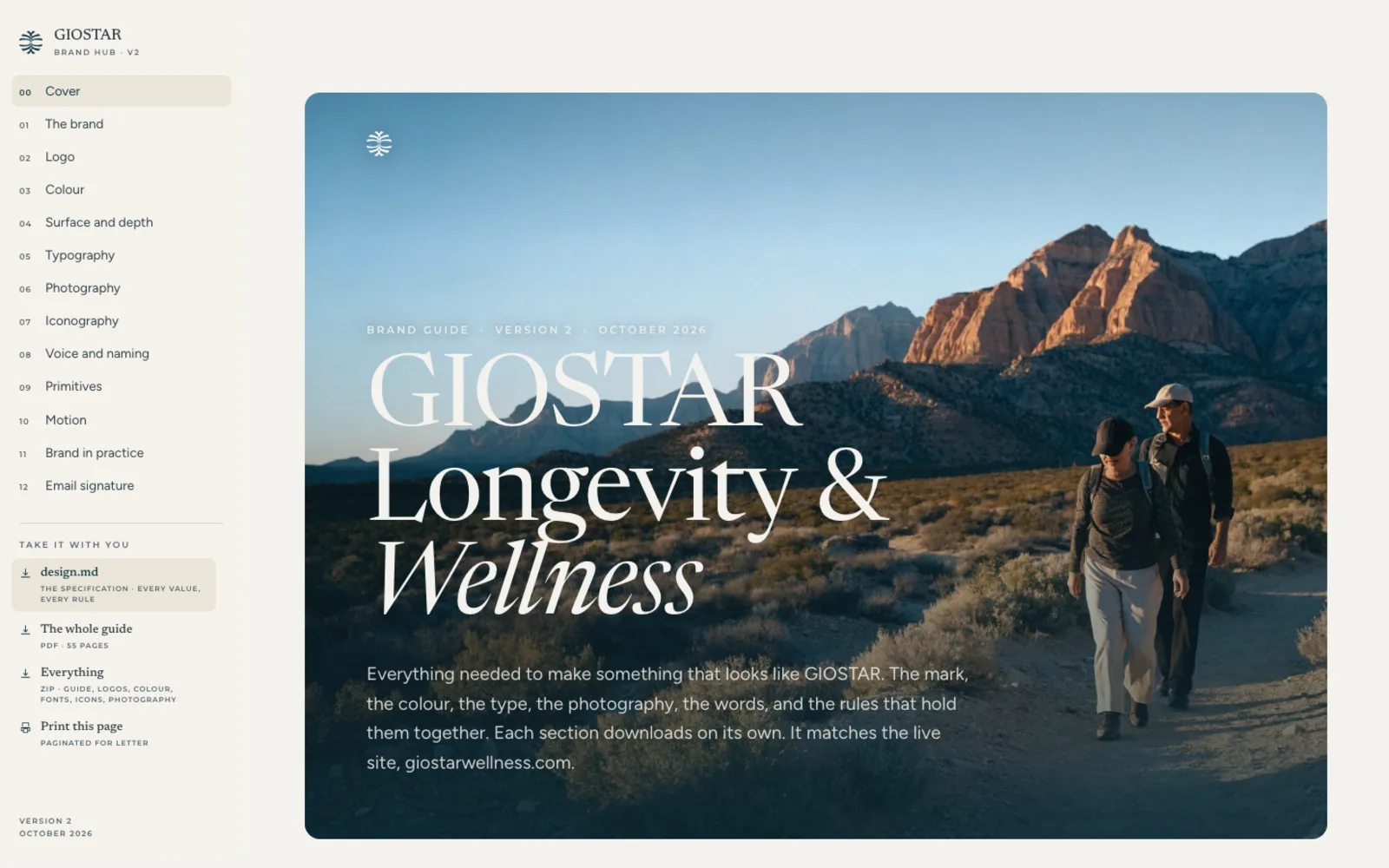
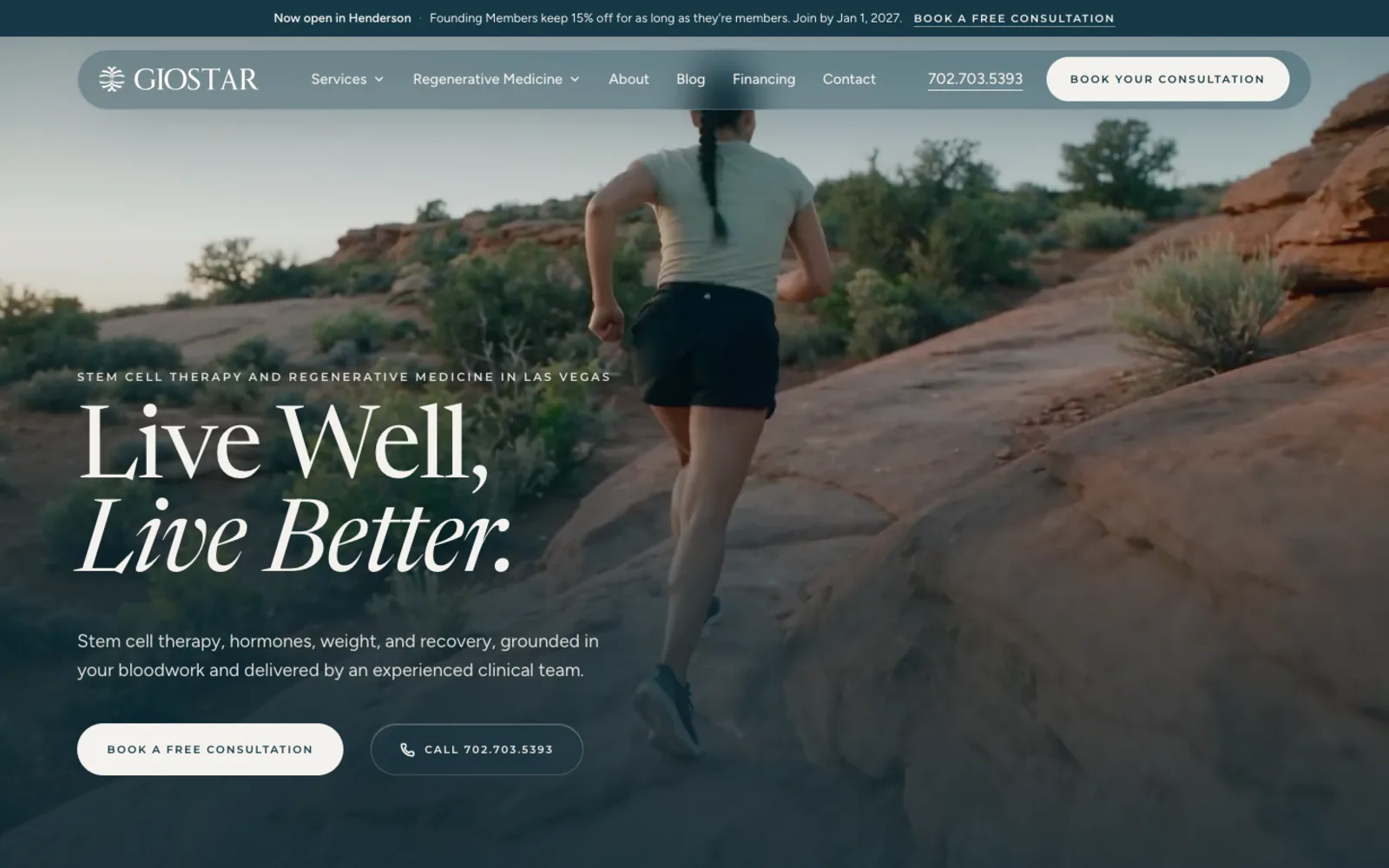
The GIOSTAR tracking method is the other documented piece. It traces each lead to a booked visit, and the same method can trace a shelf or a reorder. It is a medical practice, not a food brand, and it is method rather than a result.
Where the brand wants a case study from any of my work, the case study states the category, the scope and what the work did not include.
Food Brand Marketing Trust Questions
Questions brands ask before they hire me
Food Brand Marketing Questions
More questions before the first call
Who Runs Food Brand Marketing Here
One designer who reads the store data
I am Justin Harris. I have built websites and run digital marketing for Las Vegas businesses for fourteen years, and I still build the readout myself.
The person who designs the sell sheet is the person who checks the store data each month. That keeps the story honest, because the same person sees when a promotion sold through and when it did not.
Every store visit and tasting is entered the day it happens, so the readout is current and the notes are not reconstructed from memory.
The readout is sent on the same day each month, so the owner can plan the next promotion before the distributor report arrives.
Ingredient and Allergen Questions
Facts on the label before the ad
Ingredients, allergens and shelf life are on the label, and the marketing repeats them exactly. A shopper who reads a claim in an ad and then a different ingredient list on the shelf loses trust in the brand within one trip.
Allergen wording and shelf-life statements are checked against the approved label before any campaign runs. Where a question is about a rule, not a fact, it goes to the brand's regulatory advisor, and the marketing waits for the answer rather than guessing. A label change goes through the same check, and the old copy is pulled from every channel on the day the new label is approved, not weeks later.
Store Reorder Cycles
How often a store runs out
A store reorders on a cycle, often weekly, and a product that runs out between cycles loses the sale and sometimes the shelf. Out-of-stock time is therefore a marketing problem as much as a supply problem, because a promotion that drives shoppers to an empty shelf sells nothing.
I track the reorder dates the brand can see and flag each store where a promotion ran close to a stockout. The readout reports the lost sales that a stockout caused, marked as an estimate with its basis, so the owner can ask the distributor for the fix. Each stockout note includes the store, the day it started and the day it ended, so the distributor conversation is specific.
Founder Voice and Brand Story
A story the brand can stand behind
A food brand's story is often the founder's, and a founder who speaks well can sell a product a shopper has not tried. The risk is a story that promises more than the product does, such as a health outcome or a sourcing claim the brand cannot document.
I help the founder tell the story in the specific terms the product allows: where it is made, what goes in it, why it tastes the way it does. Each line is checked against the label and the records, and a line that reaches for more is cut before it reaches a post or a sell sheet. The founder reviews the final copy against the same claims sheet, so the story and the label stay in agreement.
Services for Food Brands
Pages for each part of the work
Book a Food Brand Readout Review
A written review of the sales data
Send the brand name and the latest distributor report. I will check the velocity, the distribution costs and the direct orders, and reply the same day with what I would change first.
Food Brand Marketing Next Step
Start with the velocity
Tell me which store or channel sells the most units each week. I will show you what that store sold before and after the last promotion before any new spend is planned.
Food Brand Marketing Portfolio
Work I built, live where you can check it
Brand identity · Pharma
Mili Pharma: the butterfly mark and the lockups
I designed the Mili Pharma identity: a single-line butterfly mark, its micro and reverse versions, and the horizontal and vertical lockups the new website is being built on.
Portfolio Examples
More of the work
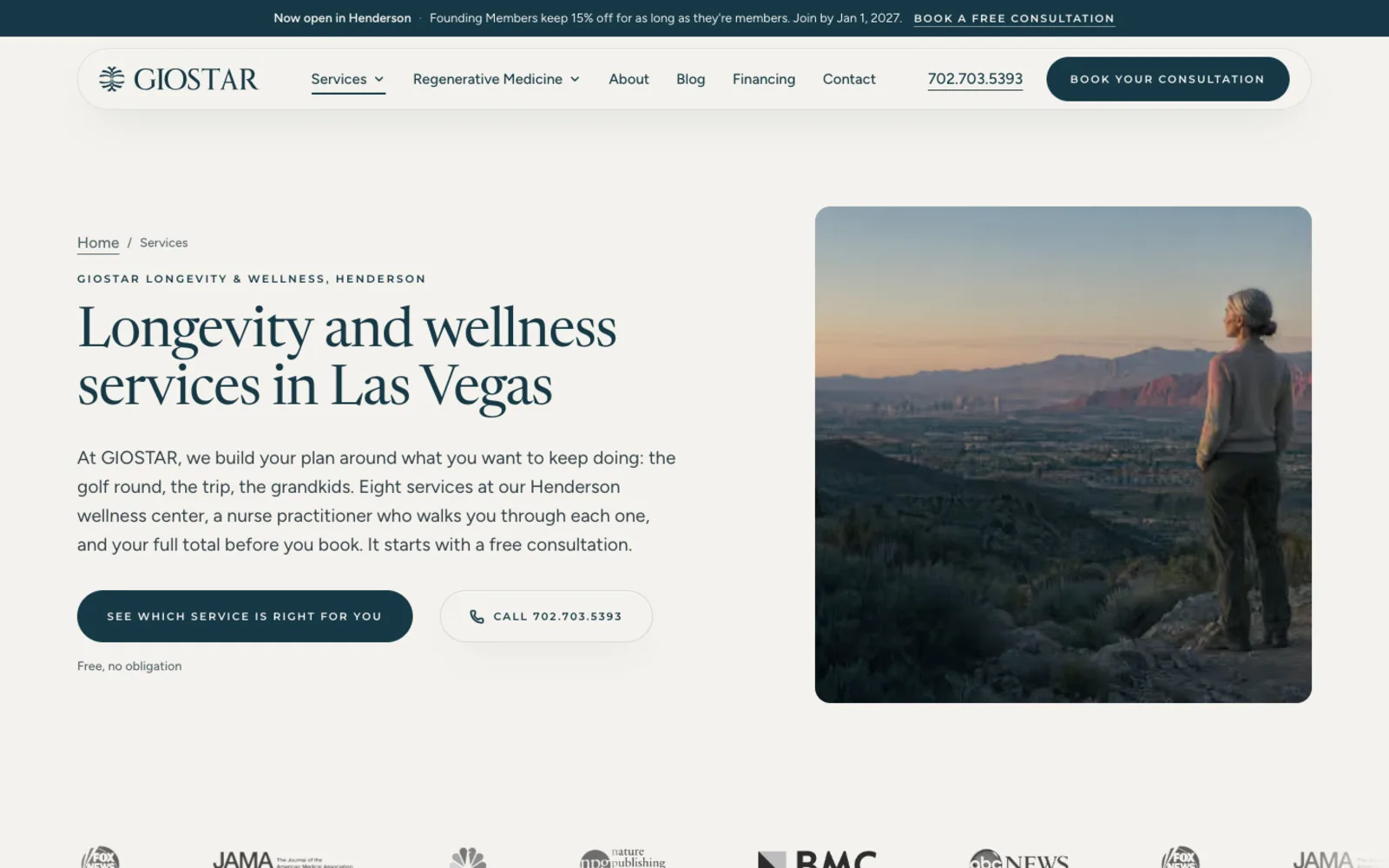
Website build · Henderson
GIOSTAR: the clinic website, booking and lead tracking
See the live site
Website build · Las Vegas
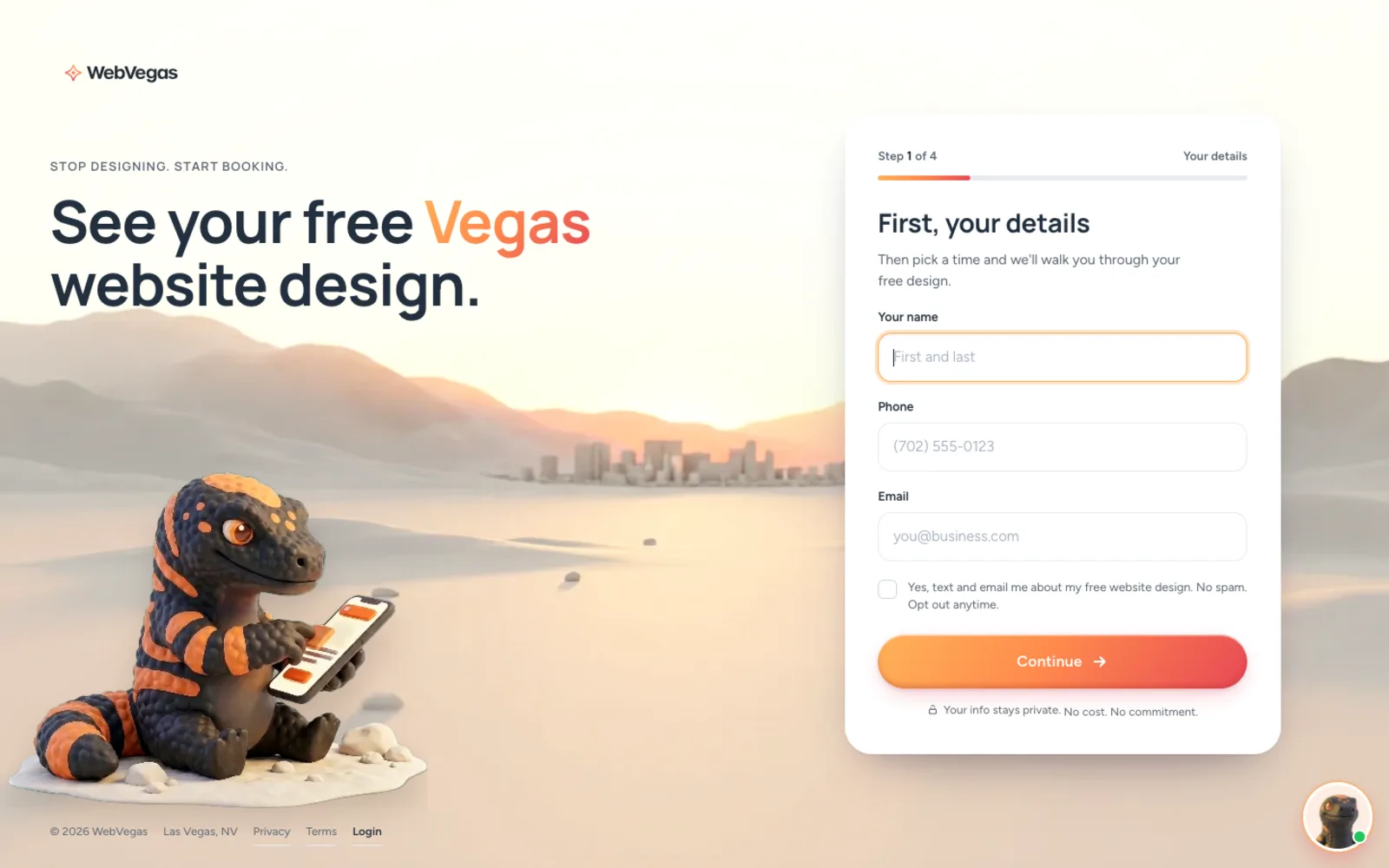
WebVegas: a Las Vegas web design brand and its booking funnel
See the live site

Brand mark · Event venue
Desert Inn Oasis: the refined mark and the plan for the new site
Site in build
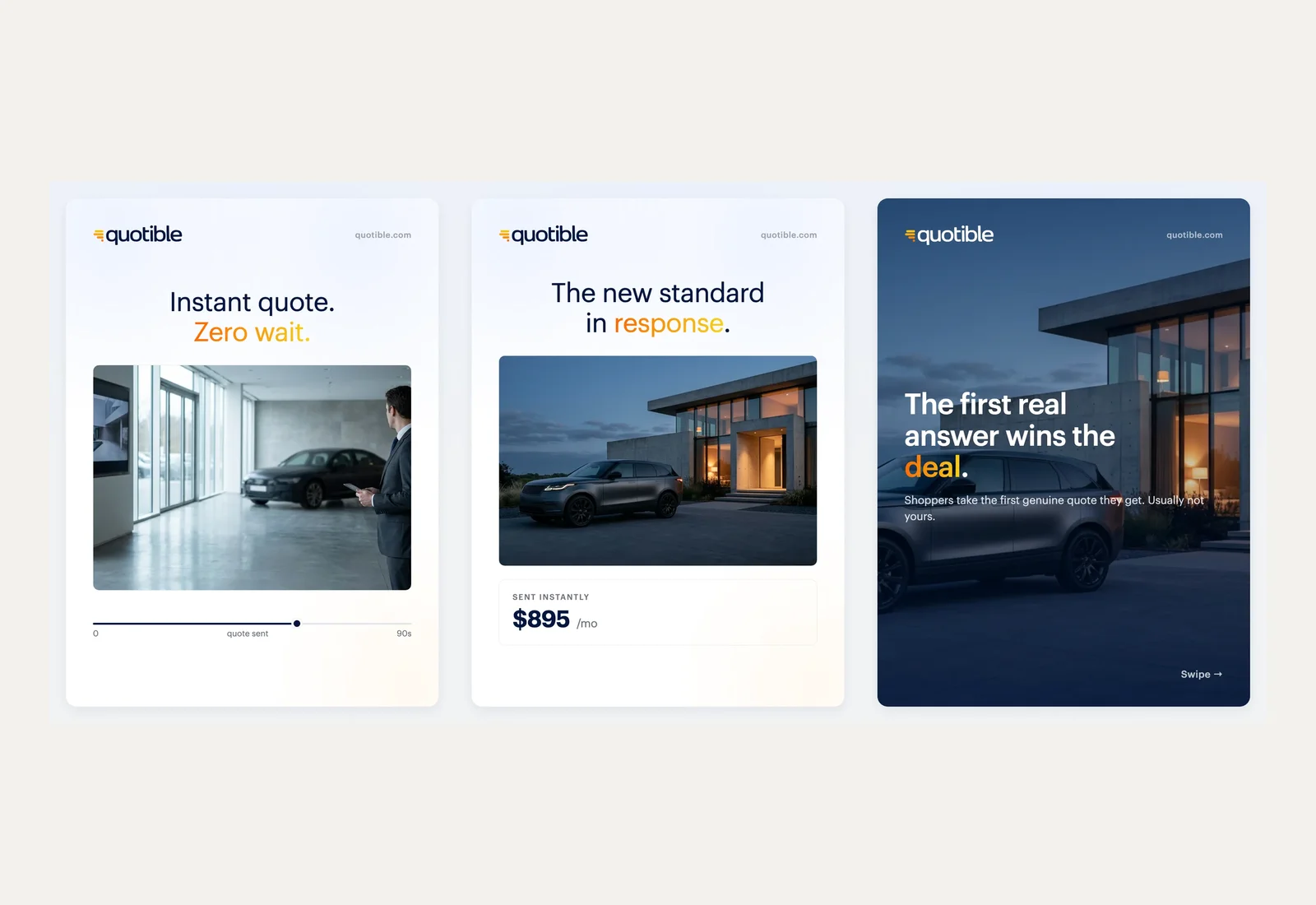
Social content system
Quotible: a testimonial-led social series
Content system

Want me to look at your site first?
A free audit, and a same-day reply from Justin, personally.
Food Brand Marketing Reviews
What clients wrote on Google
- ★★★★★
After going back and forth on whether to bring in outside help, we ended up working with Justin for some AI consulting on how to structure our operations. He laid out a clear plan, didn't overcomplicate it, and we've been running smoother since. Good fit for a service business. He knows Las Vegas and he knows this stuff.
Kristen S. · Google
- ★★★★★
Justin joined our team a few months before opening to replace a marketing agency that wasn’t performing. He stepped up fast. Within weeks he launched a fully redesigned website with new brand guidelines, built and delivered our marketing plan and AI strategy, and helped implement our system architecture so we could open on time. Since then, he’s made several critical enhancements to the site that helped us generate revenue in our first month. His engagement was supposed to end at opening, but he became such an integral part of our leadership team that we kept him on to help evolve our marketing and tech strategy as we grow. He’s easy to work with, pushes back when it matters, and moves easily between strategy, delivery, and operations depending on what’s needed. If you’re looking for a deeply experienced, knowledgeable, and dedicated marketing, AI, or technology consultant, I highly recommend Justin Harris AI Consulting.
Devin R. · Google
- ★★★★★
Justin has been a true Gem to have as part of our company. His professionalism, immediate attention to branding and extensive details in marketing has made so much improvement on our business. We are forever grateful to have such and amazing marketing asset and cannot thank you enough Justin!
Desi W. · Google
- ★★★★
Justin Harris was very helpful in resolving some issues we had with our Webflow website.
Kristy F. · Google
- ★★★★★
I had the pleasure of working alongside Justin and consistently saw firsthand the level of dedication and professionalism he brings to his work. He was always the first one in the office, setting the tone with his strong work ethic and commitment to excellence. What stood out most was how deeply he cared about every client. He approached each project with thoughtfulness, expertise, and a genuine drive to deliver meaningful results. He combines sharp technical knowledge with a practical, solutions-oriented mindset, which makes him especially effective in the AI space. Any organization looking for thoughtful, reliable, and highly skilled AI consulting support would be in great hands working with him!
Jenevine Y. · Google
- ★★★★★
Hired him to manage our AI systems and it's been pretty smooth. He knew what needed to be done and got it handled without a lot of back and forth. Good experience for our service business.
BC G. · Google
- ★★★★★
I follow Justin on social media and read about his work and his contributions to the AI industry. He really knows how to use the technology in creating a system that allows you to make your business work more efficiently and effectively.
Ana J. · Google
- ★★★★★
Justin was the person I would go to for advice about AI automation for my workload. He knew the subject well and didn't overcomplicate it. For anyone in Las Vegas running a service business and wondering if AI systems are worth looking into, talking to him first is a great move!
Yaneliz M. · Google
- ★★★★★
Working with Justin is always a pleasure. He is professional, trustworthy, and consistently delivers outstanding results. As a longtime Las Vegas local, he has an exceptional knowledge of the territory and truly understands the market. I highly recommend his services to anyone who is serious about growing their business!
k C. · Google
- ★★★★★
From what I've seen, Justin knows the AI automation space better than most people I've come across in Las Vegas. He's the kind of person who actually understands the technical side and can explain it without making you feel lost. Good guy, good reputation.
Afaryn F. · Google
- ★★★★★
I've Known Justin for a while now and he really knows his stuff when it comes to AI consulting. If people in Las Vegas were to ask me for recommendations in this space, he's the best guy for the job, hands down.
Mickey S. · Google
- ★★★★★
After going back and forth on whether to bring in outside help, we reached out to Justin for some AI consulting advice on where our service business could actually use automation. He was straightforward about what made sense and what didn't. Ended up being a useful conversation. Las Vegas has no shortage of people claiming to be experts, and he's one of the few who could back it up.
Vincent M. · Google
- ★★★★★
Known Justin for a few years now and the guy actually knows his stuff when it comes to AI automation. Friends in the Las Vegas service business space keep asking me who to call and I always point them his way.
Chris M. · Google
- ★★★★★
Justin is one of those guys who actually knows what he's talking about and doesn't cut any corners. Will definitely be working with him again.
David S. · Google
- ★★★★★
Justin knows what he's doing highly recommend using his service he will treat you right and give you tremendous value !👍
Gregory J. · Google
- ★★★★★
Known Justin for a many years and the guy actually knows what he's talking about when it comes to AI and automation. Not the type to just throw buzzwords around. Based in Las Vegas and well connected in the space. …
cindy D. · Google
- ★★★★★
Known Justin for a few years now. Guy knows the AI space better than most people I've come across, especially here in Las Vegas where there's no shortage of people claiming to be experts. He actually understands how AI automation works at a practical level, not just the theory. The kind of person who gives you a straight answer with kindness and patience
Katelyn H. · Google
- ★★★★★
Knew Justin before he started building AI systems for businesses, and watching what he's put together is genuinely impressive. He built out an AI automation setup for my website in Las Vegas and it changed how we handle leads completely. The guy actually runs this stuff himself, so he knows what works.
Justin E. · Google
Food Brand Marketing Las Vegas NV
Every part of the Valley, by ZIP code
Las Vegas
89030 · 89101 · 89102 · 89104 · 89106 · 89107 · 89108 · 89109 · 89110 · 89117 · 89124 · 89128 · 89129 · 89130 · 89131 · 89134 · 89138 · 89143 · 89144 · 89145 · 89146 · 89149 · 89166
Henderson
89002 · 89005 · 89011 · 89012 · 89014 · 89015 · 89044 · 89052 · 89054 · 89074 · 89120 · 89122 · 89123 · 89183
North Las Vegas
89030 · 89031 · 89032 · 89081 · 89084 · 89085 · 89086 · 89101 · 89115 · 89130
Summerlin
89128 · 89134 · 89135 · 89138 · 89144 · 89145 · 89148 · 89161
Spring Valley
89102 · 89103 · 89113 · 89117 · 89118 · 89146 · 89147 · 89148 · 89178
Paradise
89074 · 89102 · 89103 · 89109 · 89118 · 89119 · 89120 · 89121 · 89123 · 89158 · 89169 · 89183
Enterprise
89113 · 89118 · 89119 · 89123 · 89139 · 89141 · 89148 · 89178 · 89179 · 89183
Sunrise Manor
89104 · 89110 · 89115 · 89121 · 89122 · 89142 · 89156
Boulder City
89005 · 89044
Proof, not promises
Case studies I can show you
Owning Page One Las Vegas: A Self-Learning Local SEO System
Local SEO in Las Vegas done as a self-learning system: many small automated hammers that fix onsite drift, build citations, and earn AI-search citations. Built and run on my own site first.
Read the case studyA Quality-Management System for a Regulated Stem-Cell Clinic, Firewalled From the Parent Brand
How I built a regulated-clinic management system for GIOStar: a quality-management spine plus EHR integration, with patient data firewalled from the marketing CRM.
Read the case studyAn AI Front Desk That Answers in Two Languages
A bilingual AI receptionist in Las Vegas that answers the phone and the chat in English and Spanish, books the job, and never leaves a lead on hold. Per-client isolated.
Read the case studyIndustry Marketing Pages
The other industries I work in
Book a 30-Minute Consultation
Your competitors are already
running these systems.
Book a 30-minute consultation with me directly. I walk you through where your business is leaking revenue and where AI could fit. Pick a time, no forms.