WooCommerce SEO Services
A Store Search Can Read
WooCommerce SEO services that start with the plugins, duplicate pages and product pages that hold a store back, then fix them one change at a time. You keep the store, the hosting, the plugin licenses and every login.
★★★★★ 5-star rated on Google · 14 years · 300+ Las Vegas businesses
Trusted By














WooCommerce SEO
What a WooCommerce store needs
WooCommerce turns a WordPress site into a store,. It handles products, carts, shipping and checkout, and it gives an owner a catalog of pages that can grow to thousands of products. Search is a separate job on top of that. Google has to find each product page, understand what it sells, choose which of several addresses to show and load the page quickly enough that a shopper on a phone does not leave for a competitor.
WooCommerce SEO is the work of making those things true on a store that was built to take orders. It is less about adding keywords to a page and more about removing what gets in the way: duplicate addresses, plugins that add weight to every page, filters that create pages nobody asked for, and product pages that describe the item in the words the manufacturer used rather than the words a shopper types.

Why WooCommerce Stores Lose Search Traffic
Plugins and duplicate pages
Most WooCommerce stores lose search traffic for reasons that have nothing to do with the products. A store collects plugins over time: a payment plugin, a shipping plugin, a review plugin, a filter plugin, an SEO plugin and a caching plugin. Each one can add its own pages, its own settings and its own code, and two of them often disagree about what the same page should say.
The second common cause is duplication. A product can be reached through its category, through a tag, through a filter and through a variation, and each of those routes can produce a page with almost the same content. Google then has to choose which address to show. Its guidance says that when no canonical version is set, Google picks the version it considers best to show, so the choice may not be the one the owner wants.
- Two or more SEO plugins writing titles and descriptions for the same page, so the title a shopper sees depends on which plugin ran last.
- Category, tag and filter pages that show the same products under different addresses, each one competing with the rest of the store.
- Variations that each produce a near-identical page with the same description, the same photos and a different size label.
- Plugins adding scripts to every page, including the cart and checkout, where the extra weight costs the sale most.
- Old products and categories removed without a redirect, so links and search results lead to an error page.
- A store launched on the default settings of its theme and plugins and never reviewed since.
WooCommerce Product Page SEO
Titles, copy and images per product
A product page has to do three jobs at once. It has to tell Google what the item is, tell a shopper why it is the right one and make the buy button easy to find on a phone. Most store product pages do the second and third well and leave the first to the manufacturer's default title, which is often a model number and nothing else.
I rewrite the title and description for the products that bring in the most revenue first, in plain words a shopper would type, and I check that the description on the page says the same thing as the title. Product images get descriptive file names and alt text that names the item, and the image sizes are checked so the page still loads quickly on a cell connection.

- A title that names the product type, the key feature and the brand, in the order a shopper would search for them.
- A description written for a shopper who is comparing options, not copied from a supplier catalog sheet.
- Alt text on each product image that names what the image shows, so the picture can be understood without the photo.
- Short specification blocks that answer the questions a shopper asks before adding the item to the cart.
- Stock, shipping and return notes visible above the buy button, where the decision is actually made.
- Structured product details checked against the page, so the labels describe only what the shopper can see.
WooCommerce Category Page SEO
Where most store traffic lands
For many stores, category pages are where search traffic arrives first. A shopper who types a product type with a place or a use attached is usually looking for a category, not a single item, and the category page is the one that should answer that question. A category with a one-line title, a grid of products and nothing else gives Google very little to read and gives the shopper very little reason to stay.
I write each important category title and description around the question the shopper is asking, add a short block of useful text above the product grid and link the category to the products and guides that belong with it. The text is kept short enough that it does not push the products below the fold on a phone. Each category gets a plain check that its products are in stock and that its text still matches what the category sells.
- A title that names the product type and the buyer question the category answers, kept within the length search results display.
- A short introduction above the grid that explains the category in plain words for a person deciding what to buy.
- Links from the category to its best-selling products, chosen from the store sales data rather than guessed.
- Links from the category to the guide that answers its most common question, so the shopper has a next step.
- Empty or retired categories merged into a close relative or redirected, so no category page is left with nothing on it.
- Sorting and display options checked so they do not create extra addresses for the same list of products.
WooCommerce Filter URL Control
Keeping filters from multiplying pages
Filters let a shopper narrow a category by size, color, material, price or brand. Each combination can produce its own address, and a category with five filters of four options each can produce hundreds of addresses that show almost the same products. Google can spend its time crawling those addresses while the important pages wait.
I map which filter combinations are worth their own page because people search for them, which should be kept as a shopper option only, and which should be set so search engines do not index them. The rules are written down and tested on a sample of filtered pages before they go live.
Each rule is written next to the reason for it, so the next person who edits the filters can see why a particular combination was kept or closed.
- Filters with real search demand kept as indexable pages, each with its own short copy and its own title.
- Filters that only sort or narrow a list kept as shopper options on the page, not as addresses that search engines index.
- Price, sort and session parameters kept out of the index, because they change the order of a list without changing its products.
- Canonical addresses set for each filtered page that remains, so the version Google reads is the one the owner chose.
- A sample of filtered pages checked by hand after each rule is changed, to confirm the rule did what it was meant to do.

WooCommerce Variation Pages
One product, many addresses
Variations are the options on a product, such as color, size, material or pack count. Some WooCommerce setups turn certain variations into their own addresses, and each one can end up as a near-identical page with the same description, the same photos and a different size label. From Google's side, that is a set of pages competing with each other.
I check how the variations are set up, decide which ones deserve their own page because a buyer searches for them, and keep the rest as selectors on the main product page. The result is fewer pages that say the same thing, and a single strong page for each product that the buyer is most likely to find.
Each variation that stays is given the same structure as the main product page, with its own price, stock line and a clear reason it exists.
- Variations that get their own page checked for real search demand before they are kept.
- Variation selectors that update price, stock and photo on the main product page.
- Variation pages that stay live given their own title, description and internal link.
- Variations that do not earn a page redirected to the main product, not left as near copies.

WooCommerce Store Speed
Plugin weight on phones
A WooCommerce store often carries a stack of plugins, and each one can add scripts and styles to every page of the store, including the cart and checkout pages where speed matters most. On a phone, a product page can be waiting on the weight of ten or twelve plugins before the main image appears, and the buyer who waits too long goes elsewhere.
I measure load speed on a mobile connection, list which plugins add code to which pages and recommend removing or limiting the ones that do not earn their place. Where a plugin is needed, I check whether its scripts can load only on the pages that use them. Images are compressed and sized for the phone first, and the changes are retested after each release.
Speed is retested after each plugin change, because a plugin that was removed can leave behind scripts it loaded for other pages.
- Mobile load speed measured before and after each change, on a connection that matches a buyer phone rather than an office network.
- A list of plugins with the pages each one adds code to, so the cost of each plugin is visible in one place.
- Scripts limited to the pages that use them, so a review widget does not load on a cart page where it does nothing.
- Product images compressed and sized for the phone first, with the larger version served only where a bigger screen needs it.
- Cart and checkout pages tested separately from the catalog, since a slow checkout costs more than a slow category page.
- Redirect chains shortened so a shopper and a crawler reach the product in one step.
WooCommerce Product Schema
Product details Google can read
Product pages can carry structured data, which is a set of labels that tell search engines the name, price, availability and reviews of an item. Many WooCommerce setups produce this markup automatically, and some produce it twice, once from the theme and once from a plugin. Two sets of labels that disagree are worse than none.
I check the markup on each product type, remove any duplicate, and make sure every label matches what the page actually shows. Review markup is only added when the reviews are real and displayed on the page. Anything the page does not show is removed, so the labels describe the page and nothing else. Markup on pages that change often, such as stock and price, is checked on a schedule rather than set once and forgotten.
- Product name and description matched to the visible title and copy, with no extra claims in the markup.
- Price and availability labels checked against the live product, so a sold-out item is not labelled as in stock.
- Brand and model fields filled from the product record, not guessed from the page title.
- Image labels listed only when the image shows the product being described.
- Duplicate markup from the theme and a plugin found and reduced to one set of labels.
- Review labels added only for reviews that are real and visible on the same page.
WooCommerce Internal Links
Linking products and guides
Internal links are the links between pages on the same site. In a store they tell Google which products matter, how the categories relate and which guides help a shopper choose. A product that no other page links to can be found by search but is often treated as an orphan, and a guide that links to nothing does little for the store.
I map the links between categories, products and guides, add links where a shopper would naturally want to go next, and remove links that point to old or redirected pages. The links use descriptive words in the text rather than a generic read more, so a shopper and a search engine both know where the link goes.
Each category links to its products, each product links back to its category and the guide that supports it, and the chain is checked after every new product is added.
- Each category linked to its strongest products, chosen from sales and search data.
- Each product linked back to its parent category and to one relevant guide.
- Related products placed where a shopper expects them, not in a long block at the bottom.
- Links to discontinued products removed or pointed to the closest replacement.
- Anchor text written as the name of the destination, never as read more or click here.
WooCommerce Buying Guides
Content that answers before the sale
Shoppers often search a question before they search a product: which size to order, how to care for a material, what to look for in a particular item, or how two products differ. A short guide that answers the question can bring a buyer in and link them to the right category.
I write guides for the questions the store's own customers ask, which I collect from support emails, reviews and the search terms in the store's reports. Each guide is tied to a category or a product, is kept current and does not exist only to hold keywords. A guide that is out of date is either updated or removed.
A guide earns its place by answering a question that appears in the store data, and it is retired when the question stops appearing.
- A guide for each question that appears more than once in support email or reviews.
- A short answer at the top, then the detail a shopper needs to decide.
- A link from the guide to the category or product it helps the shopper choose.
- A review date on every guide, with updates scheduled for the ones that go stale.
- Guides that stop getting visits or questions retired, not left to decay.
WooCommerce SEO Portfolio
Work I built, live where you can check it
Website build · Henderson
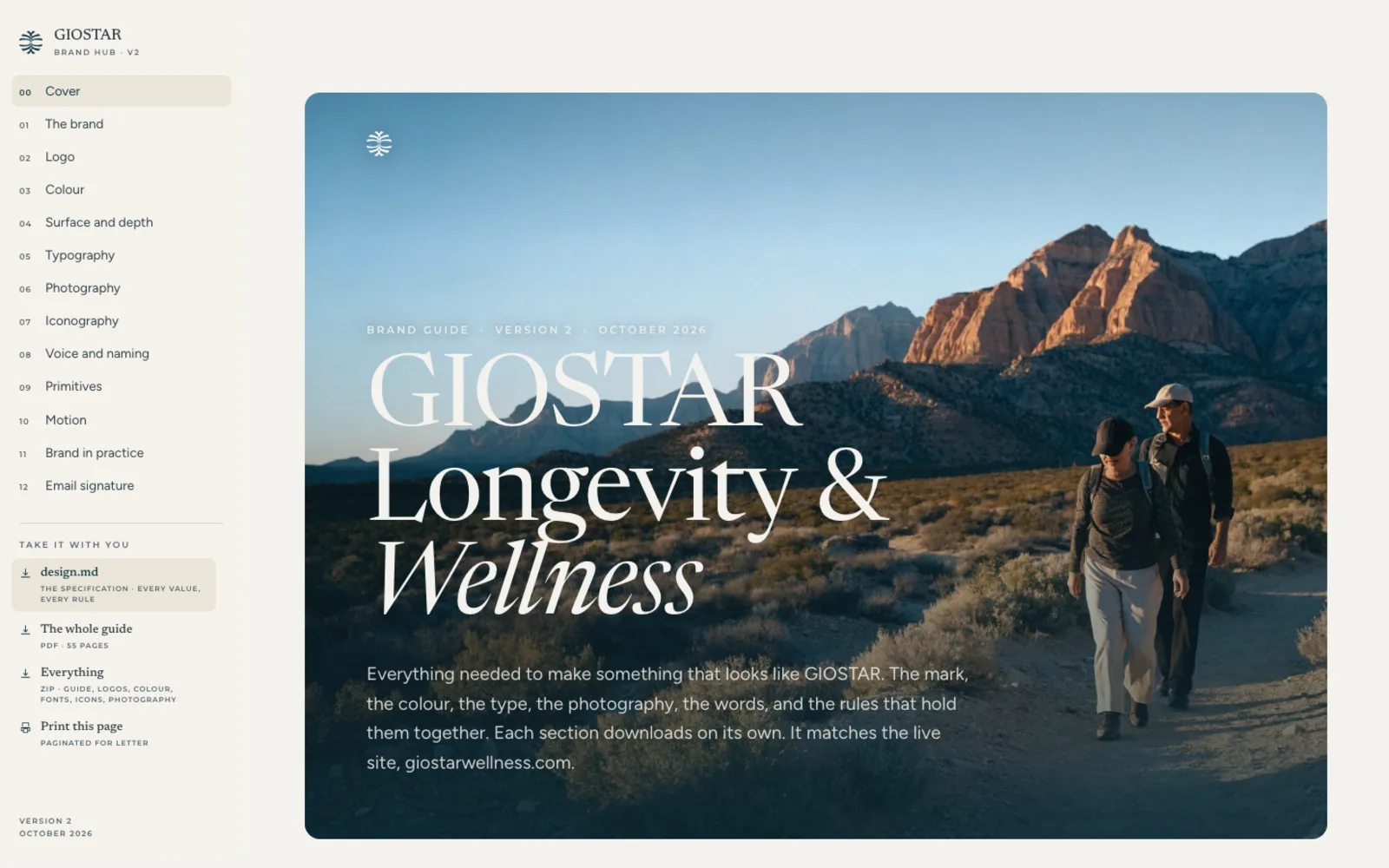
GIOSTAR: the clinic website, booking and lead tracking
I built and run giostarwellness.com for a regenerative medicine and wellness clinic in Henderson: every service page, online booking, financing and a blog. A website lead is tracked end to end, from the form to a booked consult to an active patient, with no manual steps. I also built its live brand hub, so every page, post and print piece pulls the same colours, type and rules.
See the live sitePortfolio Examples
More of the work
Website build · Las Vegas
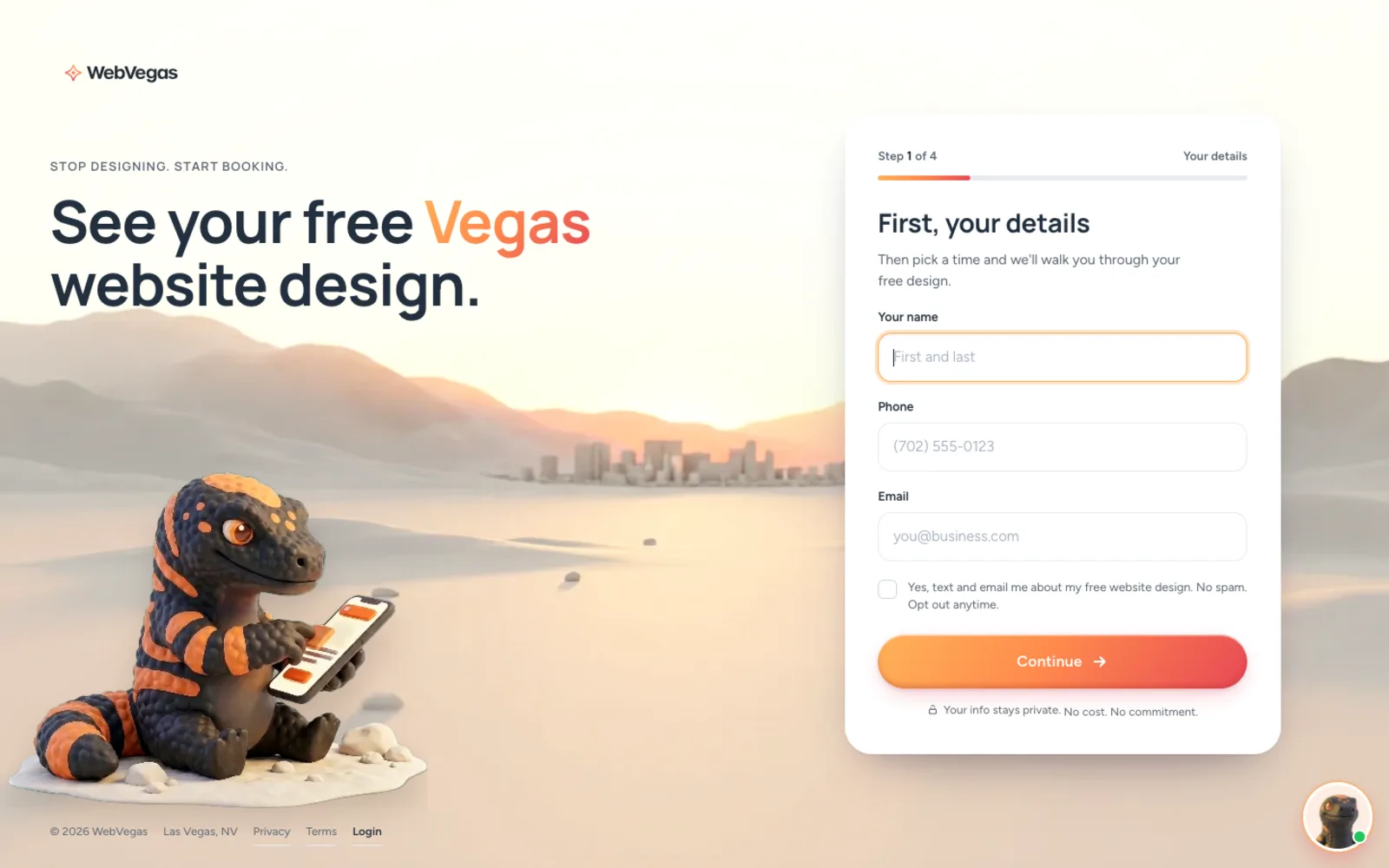
WebVegas: a Las Vegas web design brand and its booking funnel
See the live site

Brand mark · Event venue
Desert Inn Oasis: the refined mark and the plan for the new site
Site in build

Brand identity · Pharma
Mili Pharma: the butterfly mark and the lockups
Site in build
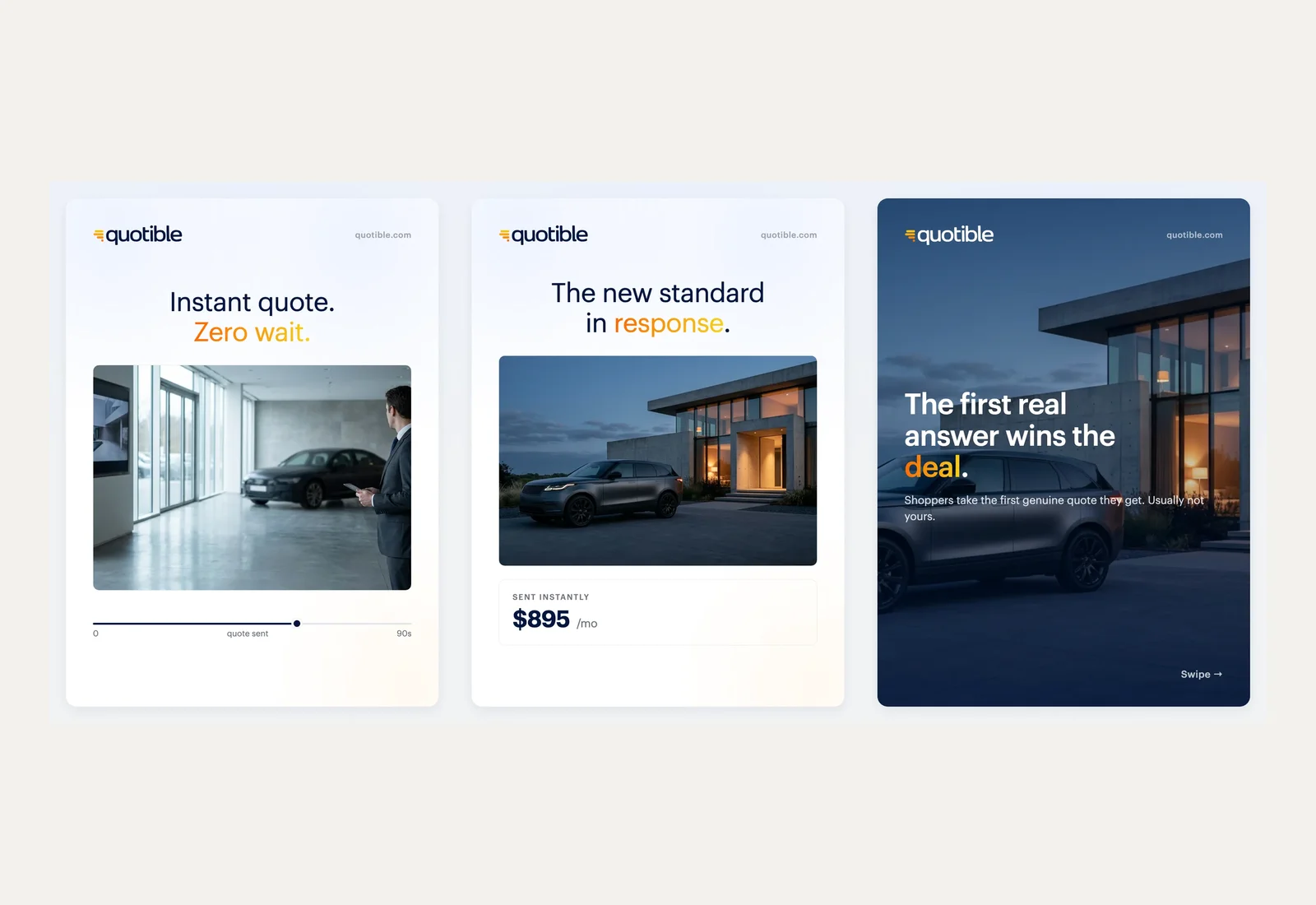
Social content system
Quotible: a testimonial-led social series
Content system

Want me to look at your site first?
A free audit, and a same-day reply from Justin, personally.
WooCommerce SEO Reviews
What clients wrote on Google
- ★★★★★
After going back and forth on whether to bring in outside help, we ended up working with Justin for some AI consulting on how to structure our operations. He laid out a clear plan, didn't overcomplicate it, and we've been running smoother since. Good fit for a service business. He knows Las Vegas and he knows this stuff.
Kristen S. · Google
- ★★★★★
Justin joined our team a few months before opening to replace a marketing agency that wasn’t performing. He stepped up fast. Within weeks he launched a fully redesigned website with new brand guidelines, built and delivered our marketing plan and AI strategy, and helped implement our system architecture so we could open on time. Since then, he’s made several critical enhancements to the site that helped us generate revenue in our first month. His engagement was supposed to end at opening, but he became such an integral part of our leadership team that we kept him on to help evolve our marketing and tech strategy as we grow. He’s easy to work with, pushes back when it matters, and moves easily between strategy, delivery, and operations depending on what’s needed. If you’re looking for a deeply experienced, knowledgeable, and dedicated marketing, AI, or technology consultant, I highly recommend Justin Harris AI Consulting.
Devin R. · Google
- ★★★★★
Justin has been a true Gem to have as part of our company. His professionalism, immediate attention to branding and extensive details in marketing has made so much improvement on our business. We are forever grateful to have such and amazing marketing asset and cannot thank you enough Justin!
Desi W. · Google
- ★★★★
Justin Harris was very helpful in resolving some issues we had with our Webflow website.
Kristy F. · Google
- ★★★★★
I had the pleasure of working alongside Justin and consistently saw firsthand the level of dedication and professionalism he brings to his work. He was always the first one in the office, setting the tone with his strong work ethic and commitment to excellence. What stood out most was how deeply he cared about every client. He approached each project with thoughtfulness, expertise, and a genuine drive to deliver meaningful results. He combines sharp technical knowledge with a practical, solutions-oriented mindset, which makes him especially effective in the AI space. Any organization looking for thoughtful, reliable, and highly skilled AI consulting support would be in great hands working with him!
Jenevine Y. · Google
- ★★★★★
Hired him to manage our AI systems and it's been pretty smooth. He knew what needed to be done and got it handled without a lot of back and forth. Good experience for our service business.
BC G. · Google
- ★★★★★
I follow Justin on social media and read about his work and his contributions to the AI industry. He really knows how to use the technology in creating a system that allows you to make your business work more efficiently and effectively.
Ana J. · Google
- ★★★★★
Justin was the person I would go to for advice about AI automation for my workload. He knew the subject well and didn't overcomplicate it. For anyone in Las Vegas running a service business and wondering if AI systems are worth looking into, talking to him first is a great move!
Yaneliz M. · Google
- ★★★★★
Working with Justin is always a pleasure. He is professional, trustworthy, and consistently delivers outstanding results. As a longtime Las Vegas local, he has an exceptional knowledge of the territory and truly understands the market. I highly recommend his services to anyone who is serious about growing their business!
k C. · Google
- ★★★★★
From what I've seen, Justin knows the AI automation space better than most people I've come across in Las Vegas. He's the kind of person who actually understands the technical side and can explain it without making you feel lost. Good guy, good reputation.
Afaryn F. · Google
- ★★★★★
I've Known Justin for a while now and he really knows his stuff when it comes to AI consulting. If people in Las Vegas were to ask me for recommendations in this space, he's the best guy for the job, hands down.
Mickey S. · Google
- ★★★★★
After going back and forth on whether to bring in outside help, we reached out to Justin for some AI consulting advice on where our service business could actually use automation. He was straightforward about what made sense and what didn't. Ended up being a useful conversation. Las Vegas has no shortage of people claiming to be experts, and he's one of the few who could back it up.
Vincent M. · Google
- ★★★★★
Known Justin for a few years now and the guy actually knows his stuff when it comes to AI automation. Friends in the Las Vegas service business space keep asking me who to call and I always point them his way.
Chris M. · Google
- ★★★★★
Justin is one of those guys who actually knows what he's talking about and doesn't cut any corners. Will definitely be working with him again.
David S. · Google
- ★★★★★
Justin knows what he's doing highly recommend using his service he will treat you right and give you tremendous value !👍
Gregory J. · Google
- ★★★★★
Known Justin for a many years and the guy actually knows what he's talking about when it comes to AI and automation. Not the type to just throw buzzwords around. Based in Las Vegas and well connected in the space. …
cindy D. · Google
- ★★★★★
Known Justin for a few years now. Guy knows the AI space better than most people I've come across, especially here in Las Vegas where there's no shortage of people claiming to be experts. He actually understands how AI automation works at a practical level, not just the theory. The kind of person who gives you a straight answer with kindness and patience
Katelyn H. · Google
- ★★★★★
Knew Justin before he started building AI systems for businesses, and watching what he's put together is genuinely impressive. He built out an AI automation setup for my website in Las Vegas and it changed how we handle leads completely. The guy actually runs this stuff himself, so he knows what works.
Justin E. · Google
WooCommerce Migration and Redirects
Moving a store without losing URLs
Restructuring a store is common and risky. A new category layout, a theme change or a move to a new host can change the address of every product, and every old address that a search engine or a link still points to needs a working redirect. A missed redirect is a product that disappears from search and a link that now leads to an error page.
I list every address before a change, map each one to its new home, test the redirects on a staging copy and check the results after the switch. The redirect list is kept as a record, so the work can be checked later or handed to another developer. The migration plan is written as a numbered list with an owner for each step, so a delay on one item does not stall the rest of the switch.
- A full list of current addresses exported before any change, so nothing is left out of the redirect plan.
- Each old address mapped to its new home, or to the closest replacement when the product has been discontinued.
- Redirects tested on a staging copy before the switch, so the first test is not a live shopper reaching an error page.
- Search Console checked for coverage errors and crawl problems in the week after the change, with each finding logged.
- The redirect list kept as a file in your records, so a future developer can see what was moved and where.
- A rollback plan written before the switch, so the previous setup can be restored within a working day if something breaks.
WooCommerce Reporting
What the numbers show
| Measure | Where it comes from | What it tells you |
|---|---|---|
| Search visits by category | Analytics, filtered to search | Which categories earn search traffic |
| Product page visits | Analytics and the store's product report | Which products draw a shopper |
| Add to cart by page | Store events, tied to the page | Where interest turns into intent |
| Completed orders by landing page | Store orders and analytics | Which pages bring in the money |
| Indexing and errors | Search Console coverage report | Which pages Google can and cannot use |
| Page speed on a phone | Mobile speed test, run monthly | Whether the pages load fast enough to buy |
WooCommerce SEO Service Pages
Related store services
Best WooCommerce SEO Services
What good looks like for a store
A good WooCommerce SEO service is one that can name each problem on the store, show the page where it sits and explain the fix in plain words. It works inside the plugins and theme the store already runs, or it says clearly which change needs a developer and why. It does not install a new plugin for every problem.
It also reports in a way you can check. A monthly note that lists the categories, products and guides that changed, with the date of each change, lets you judge the work yourself. A report of scores and no pages does not tell you what the store did. It also tells you when a fix is not worth doing, because a change that does not help a shopper buy is a cost with no return.
- A named person for each change, with the date it was made.
- A plain account of what did not work, not only what did.
- A fix list ranked by sales impact, with the reason stated for each rank.
- No plugin added to solve a problem a setting already solves.
How a WooCommerce Engagement Runs
Five steps, each with a file you can open
Every store engagement follows the same order, and each step ends with a record. No change goes live in the store until the fix list has been approved, and the list names the page, the reason and the person who will make the change.
1. Crawl the store
I crawl the categories, products, filters and variations to find duplicate addresses, broken links, thin pages and products no other page links to.
2. Audit the plugins
Each plugin is listed with the pages it touches, its settings, its last update and whether it can be removed, limited or swapped for a lighter option.
3. Agree the fix list
Each fix names the page and the reason, and is ranked by how much it affects the sale and how much work it takes. You approve the list before anything changes.
4. Make and test the changes
Titles, categories, filter rules, redirects and speed changes are made in a set order, then checked on a phone and through a test checkout before each one is closed.
5. Report monthly
A plain note shows the pages that changed, the measures in the report, the changes still waiting and what I plan to fix next, with the date of each change.
WooCommerce SEO Services Cost
What moves the scope
I quote a fixed price for a written scope after I have crawled the store and listed its plugins. A store with thirty products and a simple theme is a different job from a store with several thousand products, a filter system and a stack of plugins, so a price list would be wrong for at least one of them.
The scope also depends on the work the store needs before the fixes, such as tracking that shows which pages sell, and on whether the store is changing platform or hosting in the same period.
- How many products, categories and variations the store has, and how many of them change each month
- How many plugins add code to the pages, and which of them can be removed or limited
- How many filter combinations need rules and tests before they are safe to leave live
- Whether the theme can take the changes or needs a developer to make them
- Whether redirects are needed after a restructure, and how many addresses they cover
- How often you want a written report and a call to walk through it
Affordable WooCommerce SEO
What a fair scope includes
A lower quote only matters when the scope is the same. Ask every provider, me included, how many categories and products they will review, whether they will measure speed and plugins, how filters are handled and how each change will be logged.
A scope that promises a set number of keywords and never names a product or a category is not a scope you can check. A scope that names the pages, the plugins and the measures is one you can compare line by line. A low price that leaves out the plugin review or the redirect plan usually moves those costs to a later invoice, so compare the full list.
WooCommerce SEO near Me
In person or over a call
I work from Las Vegas and meet store owners across the Valley when that helps. Most store work happens inside the admin, the theme and the plugin settings, so a shared screen and a call cover much of the first month. The scope and the change log are identical either way, and the written list is the same whether the work is done in a room or over a call.
If a visit is useful, the first one is spent on the store admin, the plugin list and the top categories, so the call afterward is about decisions rather than discovery.
Plugins are where WooCommerce stores usually slow down. I list every active plugin, what it adds to each page and whether the store still needs it, then recommend which to keep, replace or remove. Nothing is removed without a backup and your approval.
What I Will Not Promise
No ranking guaranteed
I cannot promise a first-page position for any product or keyword. Google's SEO starter guide says there are no secrets that will automatically rank a site first, and search results change as the web and the competition change.
What I commit to is the crawl, the plugin audit, the fix list, the changes logged in the store and a monthly report that names the pages and the measures. A plan that promises a ranking in a fixed number of weeks is describing a result it does not control, and it should be read as a warning.
If a change does not help, the log records that, and I say what I would try next or whether to stop. A store owner should never have to guess whether the monthly fee is buying anything, so each line of the report states what was done and what the store showed afterward.
WooCommerce SEO Las Vegas NV
Every part of the Valley, by ZIP code
Las Vegas
89030 · 89101 · 89102 · 89104 · 89106 · 89107 · 89108 · 89109 · 89110 · 89117 · 89124 · 89128 · 89129 · 89130 · 89131 · 89134 · 89138 · 89143 · 89144 · 89145 · 89146 · 89149 · 89166
Henderson
89002 · 89005 · 89011 · 89012 · 89014 · 89015 · 89044 · 89052 · 89054 · 89074 · 89120 · 89122 · 89123 · 89183
North Las Vegas
89030 · 89031 · 89032 · 89081 · 89084 · 89085 · 89086 · 89101 · 89115 · 89130
Summerlin
89128 · 89134 · 89135 · 89138 · 89144 · 89145 · 89148 · 89161
Spring Valley
89102 · 89103 · 89113 · 89117 · 89118 · 89146 · 89147 · 89148 · 89178
Paradise
89074 · 89102 · 89103 · 89109 · 89118 · 89119 · 89120 · 89121 · 89123 · 89158 · 89169 · 89183
Enterprise
89113 · 89118 · 89119 · 89123 · 89139 · 89141 · 89148 · 89178 · 89179 · 89183
Sunrise Manor
89104 · 89110 · 89115 · 89121 · 89122 · 89142 · 89156
Boulder City
89005 · 89044
WooCommerce SEO Cost Questions
Cost and timing questions
Questions Before Hiring for a Store
Direct answers before the call
Proof, not promises
Case studies I can show you
The AI Marketing System I Run My Own Business On
A done-for-you AI marketing system in Las Vegas: a multi-agent workforce that runs your web, ads, follow-up, content, and reporting. You approve, it executes.
Read the case studyNurseForward: A Full Agency's Output on One Approval Chain
A full paid-acquisition funnel on one approval chain: landing page, ad strategy, creative, and graphics. NurseForward's top ad hit a 7.56% CTR at $0.31 CPC.
Read the case studyThe Content Waterfall: A 13-Step Approval Chain Where High-Confidence Content Auto-Publishes
An AI content system that runs a 13-step approval chain: high-confidence pieces auto-publish, the rest route to one human gate. The same engine I run on my own brand.
Read the case studyStore Services Las Vegas
The rest of what I build for stores
Free WooCommerce Store Check
A free look at the store first
Send me the store address and a staff account with read access. I will crawl the main categories and products and reply the same day with the three fixes I would make first, whether you hire me or not. The check uses only the public store and the read access you grant, so nothing in the store changes while it runs.